
In the Weeds
Or: I missed writing for fun and here are my thoughts while gardening

I surveyed the flower bed. It had been neglected for a few months and was now overgrown with annoying weeds. If I wanted to plant flowers or vegetables, something would have to be done. My first instinct was to return inside and leave it for another day. But it not today… when?
I knelt down and went after the first big weed I saw. The big ones were easiest to see and would be easiest to yank out, right? Easy.
Ha.
I gave it a quick pull and was rewarded with a handful of a few ripped leaves. The weed remained. Stubborn.
I tried again, thinking it was a fluke. Surely, it would give easily under a quick pull.
More leaves in my fist.
The roots were deep, stubborn, comfortably entrenched. Perhaps my quick yanks weren’t the answer. I tried a third time, working slower, my fingers working down into the soil, wiggling at the base, working the stem of the weed. Intentionally. Systematically. Slowly. I could feel the roots begin to give and release. It felt like progress.
Finally… pop. It was a satisfying feeling as the weed came out of the dirt, its long thick roots emerging covered in soil.
I realized this was going to take time. I settled down onto the ground, ready for this task to be longer than I first anticipated. I was going to do this with intention.
One type of weed was particularly prickly. Its points cut through my gardening gloves and made it hard to get a good enough grasp around it. But I couldn’t let that prickly pain stop me. The hurt was more annoying than lasting - I just needed to work through it.
Some little green sprouts were harder to discern. Were they friends or foes? Should I let them grow a little bit longer? Perhaps I would focus on the big ones for now. There would be time for the others. This wasn’t a task to be done once, after all. I’d be back.
Soon, the job became a bit easier. I got into the groove; I had learned how to best work out the big stubborn ones and used that knowledge to approach the others better. But it required diligence. Keep going, I told myself... somehow there were more weeds than I thought there were when I first began.
But it was worth it. The satisfaction of that “pop” when a particularly difficult one released its roots was so rewarding and pleasing, I wanted to keep going.
At the end of my time, it wasn’t perfect. There were still some things that would have to be dealt with another day. But I couldn’t let that discourage me.
It’ll have to be done again soon. But provided I don’t neglect it, next time it’ll be easier.
A nice story about my Saturday afternoon, right?
Or was it the story of my spiritual life?
As I tended my neglected flower beds this spring, it became obvious to me why Jesus taught in parables. The comparisons between those pesky, stubborn plants and my sins were plain as day.
Some sins are easy to eradicate from your life… until you realize you’ve only pulled out a few leaves. The roots are deeper and more firmly part of your habits, inclinations, and schedules. I can work on some visible manifestations of my pride without really working on the roots. I can even tackle sins without really knowing what lies underground, at their root. As soon as I think I’ve conquered that sin, it bursts forth in a different area of my life, in a different way, because the roots were deep and thick and had been allowed to grow for a long time.
Weeding once a spring by ripping off some leaves might make your garden look fine for a few days or even a week. But under the surface, you’re cultivating plenty of trouble. Real change requires real work.
Going to confession out of routine during Lent, without really examining your conscience well and without making a plan to work towards change, simply gives you a fistful of leaves. There’s grace and forgiveness, but habits are deep and concupiscence is real. Progress is hard.
Working on sins at their root takes time. It hurts. It requires patience, especially with yourself. It requires frequent Examens, which can be uncomfortable and inconvenient. It requires systematic attention, and at times it feels like the more progress you make the more sins you become aware of. But you have the best partner in this gardening work: God. Nothing is possible without him, because all we’re capable of doing ourselves is sowing more spurge.*
God can help us weed out the noxious things in our lives that are preventing the fruit and the flowers. It just requires time, suffering, and obedience.
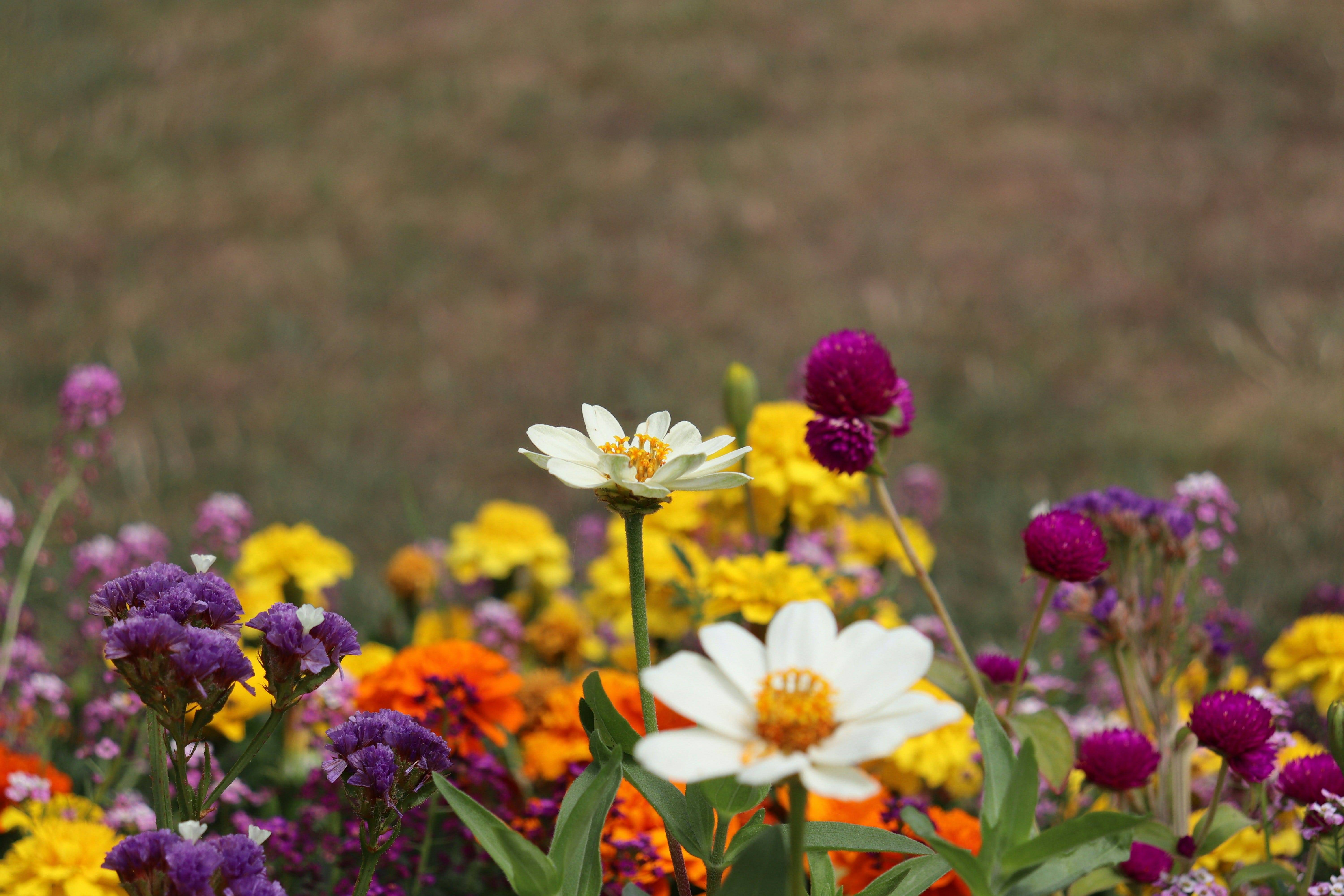
*It was somehow satisfying to find out that some of my weeds had such a terrible name. Spurge. Purge the spurge.
Just a quick reminder that if you’ve read any of my books over the last few months or even year, your review on Amazon or Good Reads can really help others! I’m still giving away some little treasures from my pilgrimages as a thank you - head over to my last post for more details!
Take heart. I live further into the north pole and the gardens are beautiful here. Also I have to dig with a hand tool (which reaches deeper to the roots (sin) of the weeds. Happy gardening Joanie it's well worth it. :) Gloria
As I read your article I was thinking about some weeding tools that you need, those harsh destroyers of those plants that annoying us. And as I kept reading, I was thankful that God is more merciful with me than I am with weeds!